 ▾
▾Edge computing: What it is and how it changes the future of the internet
Do you know edge computing? It is a method of data processing that shifts computing power closer to the data source. This significantly reduces latency and enables faster real-time decision-making. This technology is becoming key for IoT, autonomous vehicles, or smart cities and is gradually changing the internet as we know it. What does edge computing mean and how will it impact our future?
What is edge computing?
Imagine you are going for a quick shopping trip. Either you can head to a large hypermarket on the city outskirts or pop into a convenience store just around the corner. What would you choose?
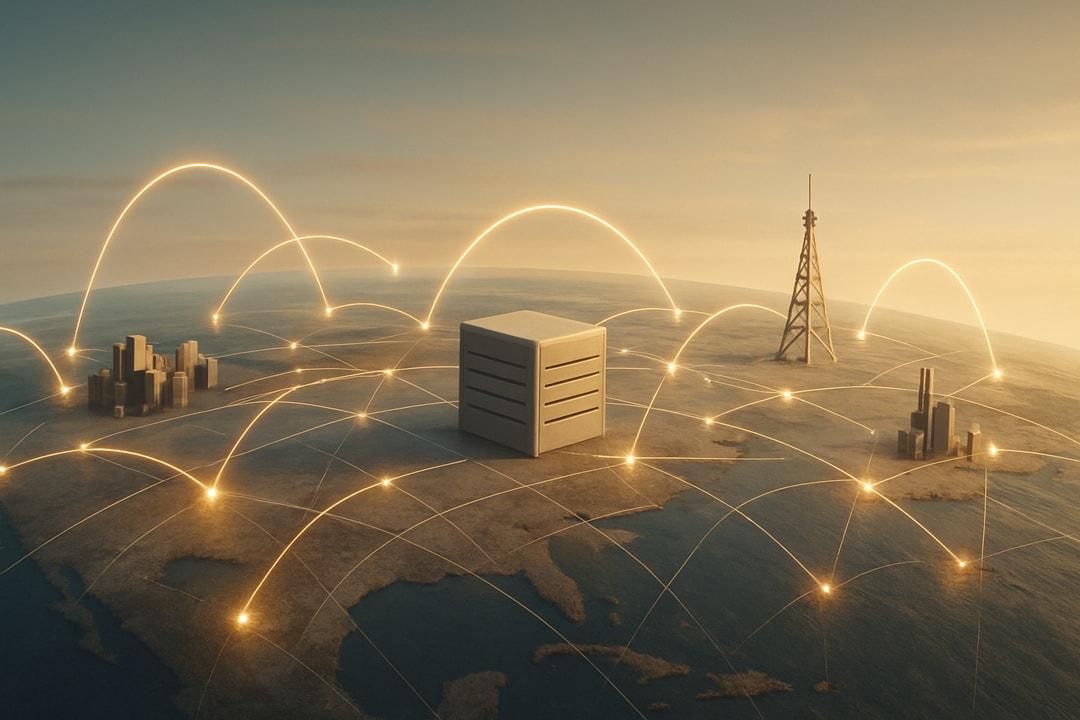
Your technology faces a similar choice day in and day out, and edge computing is like that small convenience store. Instead of the traditional method of sending information to distant data centers, processing occurs directly in the devices that generate the data or in their immediate vicinity.
Typical devices for edge computing include industrial gateways (edge gateways), intelligent sensors, camera systems with integrated AI, or even common smartphones and vehicle units with chips capable of running neural networks.
Why did the need for edge computing arise?
The enormous increase in the amount of data generated has caused classic cloud infrastructure to reach its limits. Processing all data remotely in data centers results in higher latency, increased energy consumption, and unnecessary costs. Edge computing addresses these challenges by minimizing data transfer and accelerating their processing.
For example, security cameras can evaluate video footage themselves and immediately alert to potential threats without having to send the videos to a remote server. Similarly, smart sensors in industrial operations evaluate information on-site.
What are the main advantages?
As we have already hinted at multiple times, the main advantage of processing data using edge computing is the dramatic reduction in delay between action and reaction. While traditional cloud solutions can have latency ranging from tens to hundreds of milliseconds, edge computing allows for response times between 1-20 ms – which is crucial for things like autonomous driving or surgical robots.
Since data stays close to the source, they also remain more secure. When they don't have to travel over the internet, the risk that someone will misuse or intercept sensitive information is minimized. Along with this, there are lower costs, not only in terms of security but also for data transfer and storage. For businesses, this means greater efficiency and more interesting profits.
You have surely experienced that some of your devices stopped working because it lost signal. With edge computing, this doesn't happen because it allows systems to function without constant internet connection. Technologies hence gain greater stability and are not as vulnerable to disruptions.
And what about the risks?
Nothing is perfect, so there are certain risks associated with edge computing. The decentralized nature of the system complicates management and maintenance, as the infrastructure is spread across various locations. Potential disadvantages also relate to security – while the risk of data leakage during transmission is smaller, local devices are exposed to higher risks of physical or cyber attacks.
Another obstacle could be the absence of universal standards, which often leads to problems with compatibility between different devices. Consequently, integrating them into existing systems can be problematic. Additionally, it is important to consider that devices using edge computing have limited performance and memory capacity, which can limit their ability to process large volumes of data or handle more complex tasks.
Where is edge computing used in practice?
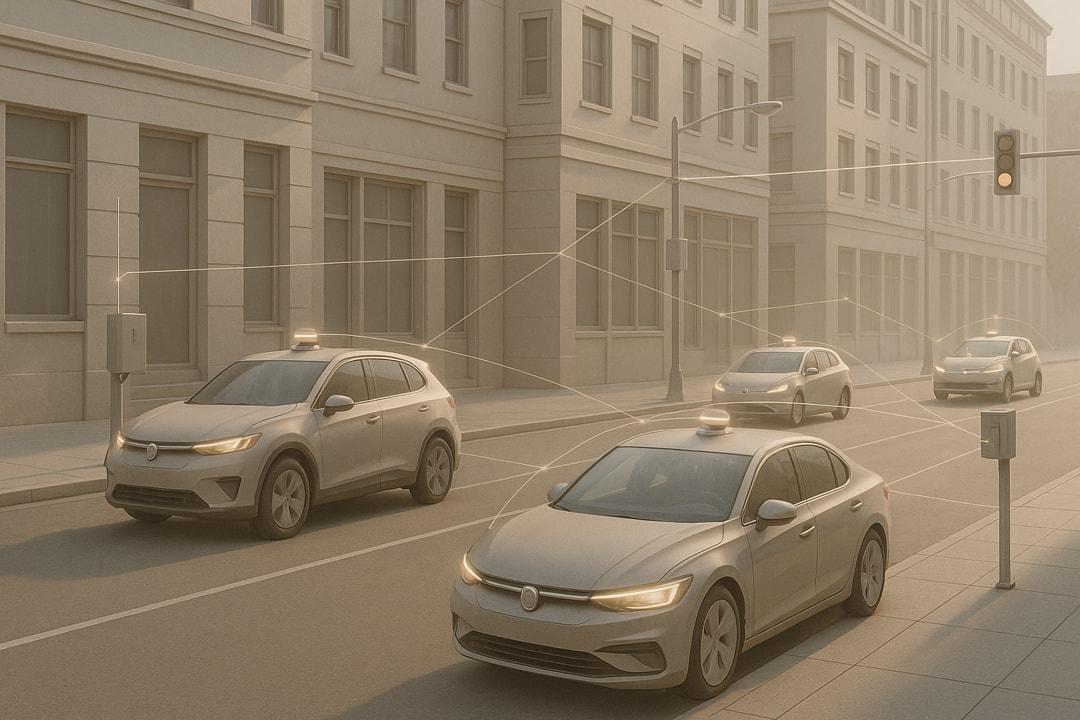
Edge computing is no longer just a futuristic concept but a technology that is changing the world around us every day. It helps smart cities manage traffic, ensuring that traffic lights immediately respond to current traffic conditions and street lighting automatically adjusts to the situation on the street.
As already mentioned, it is also an essential helper for autonomous vehicles, enabling them to analyze their surroundings in a fraction of a second to safely respond to every change.
And it brings a revolution to healthcare. Smart medical devices can monitor a patient's condition in real-time, enabling them to receive quicker assistance and more effective treatment. Even industrial machines are capable of making decisions on their own without waiting for instructions from distant data centers, thanks to edge computing.

How will edge computing affect the future?
It is already clear that edge computing will gradually change the fundamental structure of the internet. Edge computing will become a key player wherever immediate and reliable data processing is needed. And whether it's industry, healthcare, transportation, or our daily lives, it won't make a difference.
The expansion of edge computing goes hand in hand with the deployment of 5G networks, the development of artificial intelligence, and the explosive growth of IoT devices. It is precisely thanks to these technologies that its role in the future is expected to grow significantly. According to the American research and advisory company Gartner, by 2025, up to 75% of all data will be generated and processed outside traditional data centers – precisely at the level of edge devices.
It's not just a technical upgrade, but the arrival of an internet that is faster, smarter, and adapted to a world that is changing in real-time.
What is cache and how to clear it

The concept of cache appears in browsers, phone settings, and when troubleshooting websites, but few know what it exactly means. Cache aims to speed up data loading, but sometimes it can be rather a hindrance. Let's explain what cache memory is, how it works in practice, and when it's sensible to clear it.
digital carbon footprint: how the internet and online services burden the planet

Everyday online activities have a real energy footprint that quickly multiplies in total. In the article, we will look at what digital carbon footprint means, how much energy regular internet use costs, and which activities burden the environment the most. Areas where consumption is growing the fastest and impact is not immediately visible deserve special attention.
Is blue light really a problem? The answer isn't so simple

The topic of blue light has led to many simplifications and unnecessary fears. Blue light exposure before sleep is often discussed, but its impact is not limited to just sleep. Let's put things in context, separate facts from myths, and see when it makes sense to address its effects and when it is more about excessive concern.
Are you chatting with a human or a bot? How to identify AI in chat

Online chats are often handled by artificial intelligence today, and at first glance, the responses appear to be from a real person. This is especially true for customer support, where speed and fluency are key. We'll look at how to identify AI in chat, what signs you can use to distinguish it from a human, and where the line of recognition becomes very thin.
What is ransomware and why does it no longer threaten only large companies?

Ransomware attacks are among the most common cyber threats today and are no longer just a concern for large companies. Just one careless click can cost you access to your data. We'll explain what ransomware is, how it works, and why attackers are increasingly targeting average users and smaller businesses.
How zero trust works: why mere connectivity no longer means safety

Connecting to the internet today is not just a matter of speed but also of trust. Networks handle more and more devices, sensitive data, and services that communicate almost constantly. This is why an approach called zero trust has emerged, where nothing is automatically considered safe. The article explains why this model was created and how it subtly influences everyday internet functioning.