 ▾
▾Lost signal? A satellite phone won't leave you disconnected
Losing signal in the middle of the mountains or on the open sea no longer has to mean a loss of connection to the world. A satellite phone works even where regular mobile networks end. In the article, you'll learn how the device connects via satellites, what types of networks exist, how much calls cost, and why satellite communication is becoming more accessible for ordinary users.
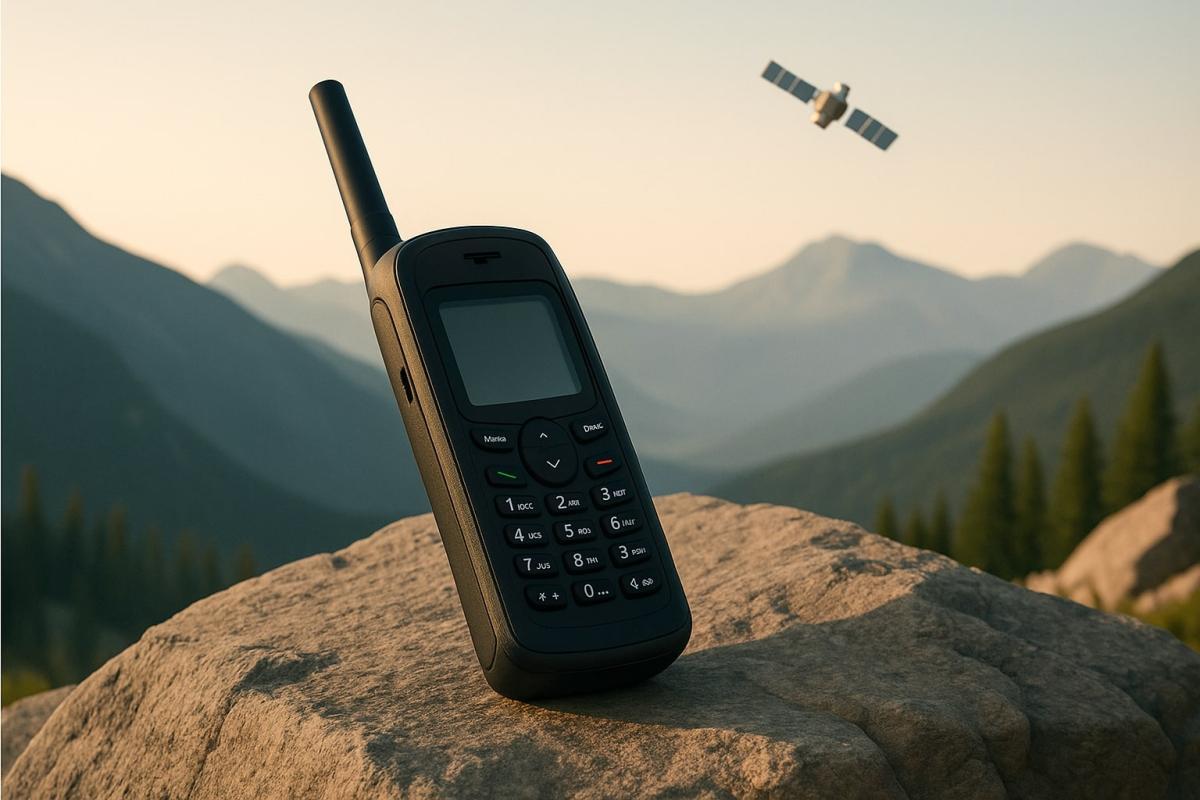
Most of us take the signal for granted. We always have a phone handy, and the idea of being disconnected feels almost like a step back in time. But as soon as you leave the city, head into the mountains, forests, or out to sea, you quickly realize that even modern technology has its limits.
That's when a satellite phone comes into play. A device initially made for adventurers, rescuers, and seafarers, it is now finding its way into the hands of regular travelers. It can be a lifeline in situations where you need to let others know you're okay, or call for help where mobile networks don't exist.
This article will explore how a satellite phone works, when it's worth buying your own, and when renting makes sense. You'll also learn about call costs and the advantages and challenges of this type of connectivity.
How a satellite phone works
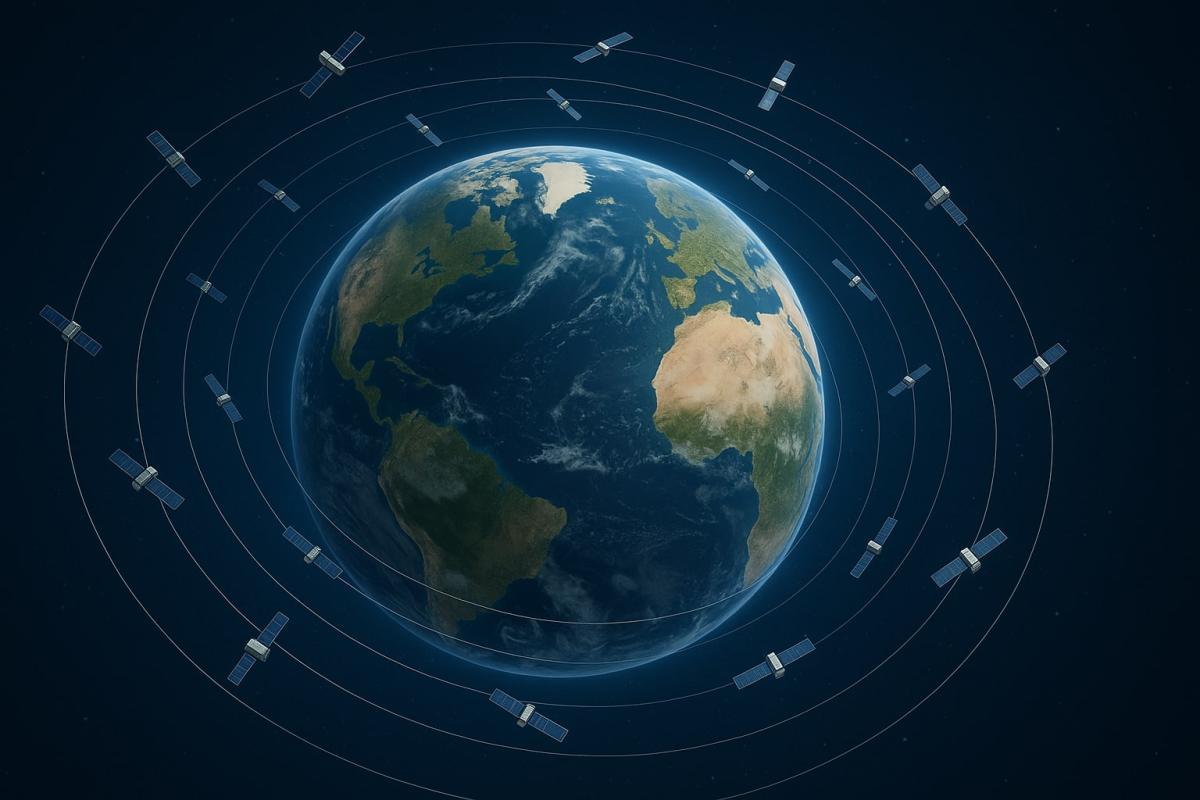
Unlike a regular mobile that connects to land-based transmitters, a satellite phone operates through satellites orbiting the Earth. These satellites relay signals between the caller and recipient, enabling communication from virtually anywhere in the world, provided there is a clear view of the sky.
The satellite network comprises dozens of satellites positioned either over the equator in fixed locations or in lower orbits. The phone sends a signal to the nearest satellite, which transfers it to a ground station, and then it continues to the target device. The entire process takes a fraction of a second, ensuring a smooth call even over large distances.
Key providers include:
- Inmarsat, which uses geostationary satellites and provides robust coverage, especially at sea.
- Iridium, whose network of 66 low-orbit satellites covers even polar regions.
- Thuraya, mainly active in Europe, Africa, and Asia.
Satellite phones enable not only standard calls but also sending SMS and, to a limited extent, data transfers. While internet speeds are low, they're sufficient for emergency messaging, email, or location sharing.
To ensure smooth transmission, a direct view of the sky is necessary. Signal loss can occur in dense forests, narrow valleys, or inside buildings. Thus, satellite phones are primarily used outdoors, ideally with the antenna aimed towards the horizon.
When it's worth having satellite connectivity
A satellite phone isn't meant for everyday calls or regular internet surfing. It makes sense mainly where reliable connectivity is crucial. Typically, it's used by people working or traveling in areas without stable infrastructure—from maritime crews and mountaineers to rescue teams.
Safety is another crucial factor. In case of an accident, power outage, or natural disaster, a satellite network might be the only way to call for help or send a location message. Therefore, it becomes part of the gear for expeditions, crisis units, and humanitarian organizations.
In recent years, practical use has emerged. Short-term phone rentals are starting to be chosen by travelers venturing beyond mobile operator reach, such as on long treks or sails. Renting is often more economical than buying, providing a reliable backup without significant investment.
Satellite phone – call costs and device acquisition
Satellite phone costs and operational expenses vary by provider, tariff type, and area of use. However, a few verified estimates can be provided.
Call Costs
- Inmarsat offers, for example, the IsatPhone Standard Global Postpaid Plan with a monthly fee of $39 and a rate of about $1 per minute.
- Iridium's basic monthly plans start at $99.95 with global coverage. Call rates generally range between $1 to $1.5 per minute.
- Thuraya charges calls between $0.99 and $1.49 per minute, depending on the target network and region.
Data transfers are usually charged separately and are intended primarily for sending short messages or coordinates.
Device Costs
The price of the phone itself is in the tens of thousands of crowns. For instance, the Inmarsat IsatPhone 2 model costs approximately 28,000 CZK including VAT in the Czech Republic.
Users who only need the device occasionally can opt for short-term rental, offered by specialized stores and rental services.
Does satellite calling have any downsides?
When discussing satellite phones, the most commonly mentioned drawback is their price. Both the acquisition of the device and the operational fees are still higher than regular mobile networks. However, the list of weaknesses doesn't end there.
Larger dimensions and different ergonomics
A satellite phone is built for reliability, not style. It features a sturdy body, a flip antenna, and a weight that becomes noticeable after carrying it in a backpack or pocket for an extended time. The control interface is simple, mostly reminiscent of older mobile phones.
Shorter battery life during active use
Connection via satellite requires more power than communication over land networks. Therefore, the battery lasts shorter, especially during long calls or frequent signal searching. It's wise to have a spare battery or solar charger for longer trips.
Call delay
Due to the distance between the phone, satellite, and ground station, some networks may experience slight audio delays. It's not critical but noticeable in regular conversation, similar to calls over the internet with slow connections.
Regional restrictions and legislation
Not all networks have global coverage, and in some countries, using a satellite phone is even restricted or requires registration with local authorities. Therefore, it's advisable to check whether the device can be legally used before traveling.
From expedition technology to regular mobiles
The development of satellite phones is rapidly advancing. Devices are becoming smaller, more durable, and more accessible than before. At the same time, regular mobiles with emergency satellite connectivity are emerging, utilizing the same principle in a simpler form.
As a result, satellite communication is gradually transitioning from professional equipment to regular gear for people who want to ensure communication beyond civilization's reach.
Phone instead of a card or key. What is NFC and how does it work?

Just hold your phone up to a terminal and within moments the payment is made. However, NFC technology is capable of much more. We will explain what NFC is and how it works, what actually happens during NFC mobile payments, what else you can use it for, and how secure it is. We will also show what NFC tags are and how they can simplify some daily tasks.
What would happen if the internet went down for a day?

What if there was a full-day internet outage? An immediate collapse of society wouldn't occur, but daily operations would quickly become complicated because today's world is more dependent on the internet than we often realize. Which services would stop functioning first, and what would happen with payments, transportation, or work?
WPA, WPA2, WPA3: Which Wi-Fi security should you use today?
WPA, WPA2, WPA3, AES or TKIP? Wi-Fi security settings might initially seem unnecessarily complicated. However, when you understand what each abbreviation stands for, it becomes fairly simple. Therefore, we'll explain the differences between them and which is the best choice today. We'll also suggest what settings to choose if you have older devices at home that don't support the latest standard.
Is incognito mode really anonymous? Who still sees what you're doing

Do you think incognito mode hides you from everyone on the internet? In reality, it works a bit differently. We explain what it actually does, when it's sensible to use it, who can still see your activity, and whether history can be traced in incognito mode.
Why Does AI Hallucinate? A Peek Under the Hood of Language Models

AI can answer almost any question in just a few seconds. However, sometimes it confidently states information that is not true. Why does this happen and what are so-called AI hallucinations? In this article, we'll explain how large language models work, why they sometimes create false answers and how developers are gradually trying to mitigate this issue.
What is a CDN and why is internet content copied worldwide

Behind every loaded video, photo, or webpage is a technology called CDN. It is used by streaming services, social networks, and regular websites, yet many people have never heard of it. In this article, we will explain what this abbreviation means, how it works, why internet content is stored in various locations around the world, and why today's internet can hardly do without it.