 ▾
▾Tynker: a fun and interactive guide to the world of programming for kids
Tynker is a modern platform that teaches kids to program in a fun way. With the help of visual blocks, they can create their own games, animations or control robots. The platform supports creativity, logical thinking and allows kids to explore technology in a playful way. Find out how it works and what makes it better or worse than other platforms.
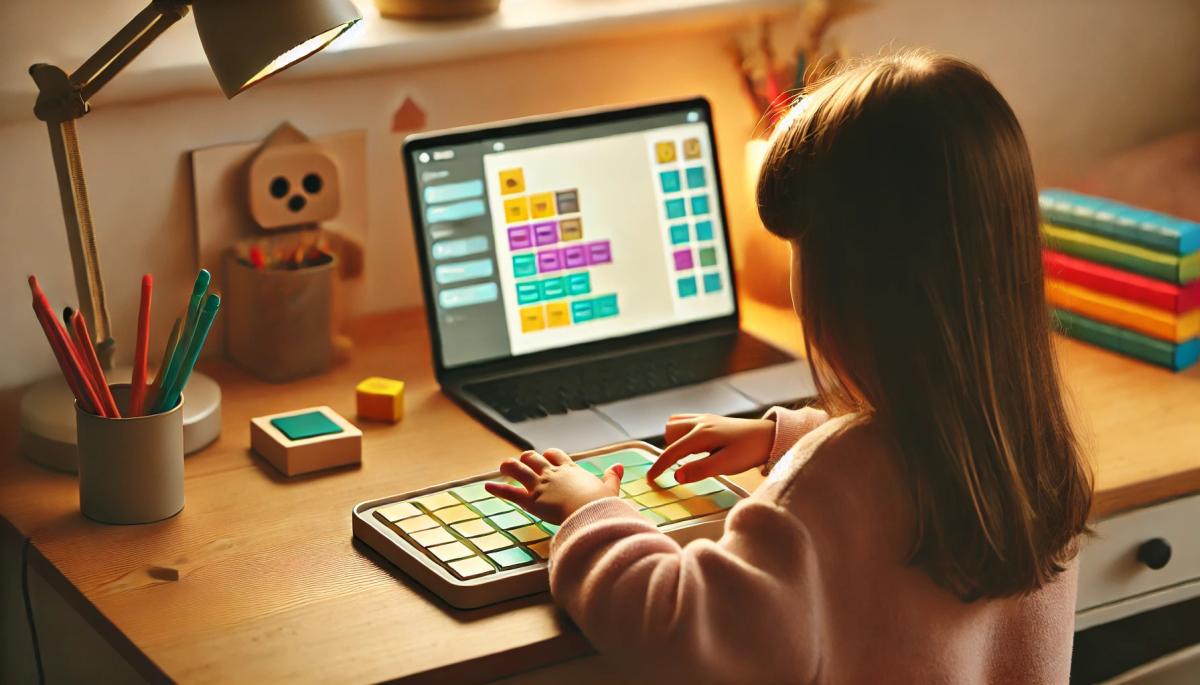
In the previous installment, we introduced the first of the programs that can help you teach your kids the basics of programming. This time, we will look at another interesting tool that allows them to dive into the world of technology. Tynker is a modern platform that once again combines programming education with fun. How does it differ from other platforms and how does it work?
What is Tynker?
Tynker is a platform designed primarily for children, allowing them to enter the world of programming in a fun and intuitive way. Unlike traditional programming teaching methods, it builds on visual learning. Children work with colorful blocks that represent commands, and by assembling them, they create functional code.
Young programmers can start with simple tasks like creating animations or interactive stories. They gradually transition to more complex projects, including game development or programming robots and drones. This approach not only teaches them the basics of coding but also supports creativity, critical thinking, and problem-solving.
Tynker is available online and as a mobile app, allowing children to learn anytime and anywhere. The platform offers content divided by age and abilities, making it suitable for both complete beginners and more advanced kids who already have programming experience.
How does Tynker work?
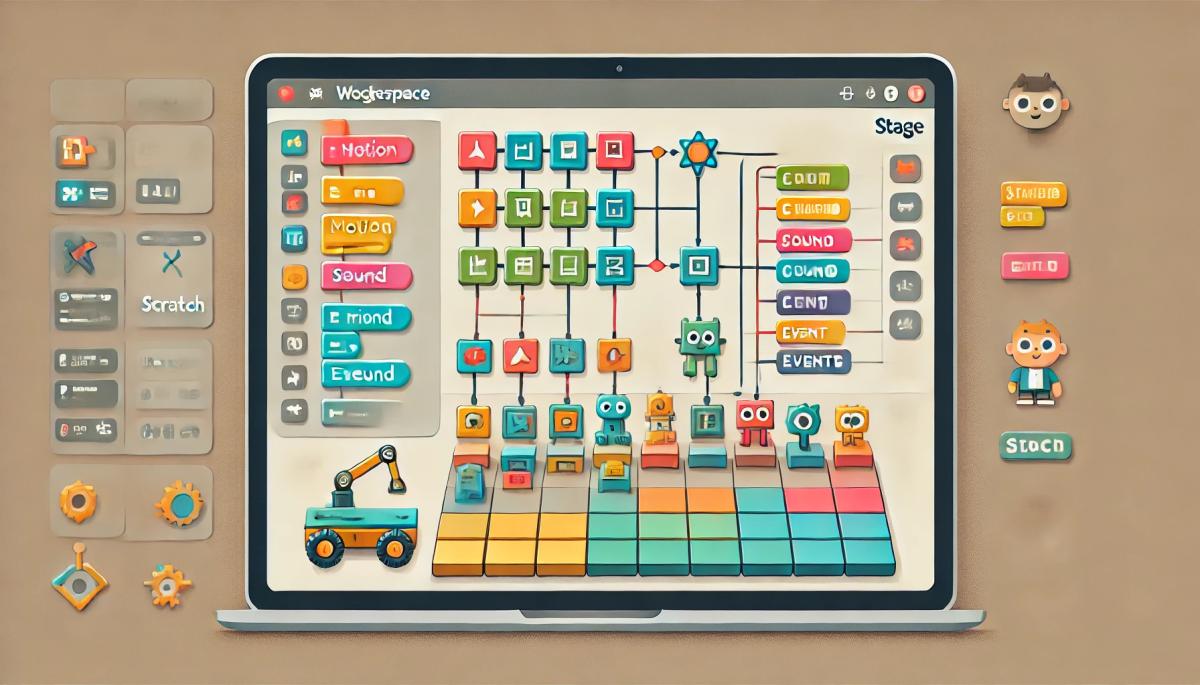
One of the biggest advantages of Tynker is its simple and user-friendly interface. Kids work in an editor that allows them to drag colorful blocks into the workspace. These blocks, categorized by functions (such as movement, sounds, events, conditions), are assembled like building blocks to create command sequences.
Beginner programmers can, for example, create an animation where a character dances upon mouse click, or a game where a character has to collect items and avoid obstacles. More advanced projects include programming robots, controlling drones, or working with the Internet of Things (IoT).
The platform also includes game challenges that motivate kids to explore new possibilities. Thanks to this playful approach, they do not even realize that they are learning important programming skills, such as algorithms, loops, variables, or conditions.
Advantages of Tynker
Tynker offers children a combination of fun and education that supports their motivation and development of key skills. Through visual programming, they learn the basics of algorithmic thinking, logic, and problem-solving without having to struggle with complex commands.
Another great advantage of Tynker is its flexibility – the content is adapted to different age groups and knowledge levels, so children can start with simple blocks and gradually move on to advanced programming in languages like Python or JavaScript. The platform also connects programming for real-world use.
Disadvantages of Tynker
One of the main drawbacks of Tynker is its pricing policy. While the basic content is available for free, most advanced features, lessons, and projects require a subscription, which may be a barrier for some families or schools. This sets Tynker apart from other platforms like Scratch, which is completely free and accessible to all.
How to start with Tynker?
Getting started with Tynker is simple, just visit the official website tynker.com or download the mobile app. After a quick registration, you gain access to introductory free lessons that guide the children through the first steps of programming. These lessons are ideal for newcomers, as they provide clear instructions and demonstrations of how Tynker works.
If you choose a paid subscription, a rich library of projects, game challenges, and advanced features open up to take the learning to a higher level. The platform is designed to be as intuitive and understandable as possible. Kids can easily navigate the colorful and clear interface, where they can start creating by dragging programming blocks.
There is also a range of interactive tutorials available that guide them step-by-step from basic animations to more complex projects like game development or robot control. In addition, Tynker allows parents and teachers to track children's progress, making it a great tool not only for home learning but also for teaching in schools.
Is blue light really a problem? The answer isn't so simple

The topic of blue light has led to many simplifications and unnecessary fears. Blue light exposure before sleep is often discussed, but its impact is not limited to just sleep. Let's put things in context, separate facts from myths, and see when it makes sense to address its effects and when it is more about excessive concern.
Are you chatting with a human or a bot? How to identify AI in chat

Online chats are often handled by artificial intelligence today, and at first glance, the responses appear to be from a real person. This is especially true for customer support, where speed and fluency are key. We'll look at how to identify AI in chat, what signs you can use to distinguish it from a human, and where the line of recognition becomes very thin.
What is ransomware and why does it no longer threaten only large companies?

Ransomware attacks are among the most common cyber threats today and are no longer just a concern for large companies. Just one careless click can cost you access to your data. We'll explain what ransomware is, how it works, and why attackers are increasingly targeting average users and smaller businesses.
How zero trust works: why mere connectivity no longer means safety

Connecting to the internet today is not just a matter of speed but also of trust. Networks handle more and more devices, sensitive data, and services that communicate almost constantly. This is why an approach called zero trust has emerged, where nothing is automatically considered safe. The article explains why this model was created and how it subtly influences everyday internet functioning.
10 reasons why your phone is drained sooner than expected

It happens that the battery life decreases faster than one would expect, even when the device is not particularly stressed during the day. Often, it's not a single specific error but a sum of small influences that gradually accumulate. This article explains what has the greatest impact on battery life, when idle draining occurs, and why this can turn into an issue causing the phone not to last even one day.
Wi-Fi on a plane? Yes, but it works differently than at home

Connecting to the internet during a flight is no longer an exception, but it still doesn't work as you're used to at home. In-flight Wi-Fi depends on the technology used, the type of aircraft, and network congestion, and paying for access doesn't always mean fast connection. In this article, we'll explain how in-flight internet works, why it can be slow, and when you can rely on it.