 ▾
▾Cloud gaming – the end of consoles in sight?
Cloud gaming allows you to play games from anywhere without the need for expensive hardware. In this article, you'll learn how game streaming works, what advantages and limitations it brings, and which services are leading the way today. And most importantly: can it really threaten traditional consoles?
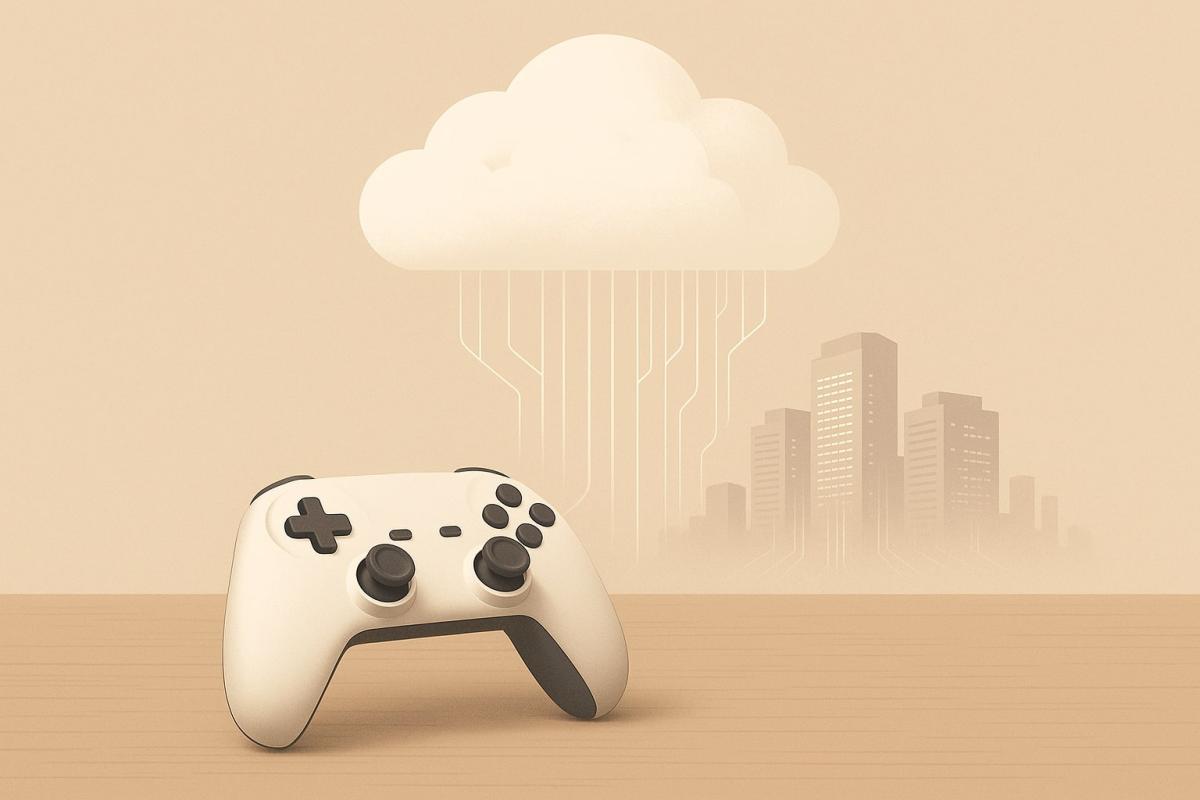
Not long ago, the main measure of the gaming world was the power of the hardware. Each new generation of consoles or graphics cards determined who could play what and in what quality. Today, however, another trend is gaining ground – cloud gaming. This shifts the focus from the performance of the device itself to the speed of connectivity and the availability of services.
The popularity of game streaming shows that players are looking for flexibility and the ability to play from anywhere. On one hand, it sounds like a dream come true: no worries about upgrades and buying expensive equipment. On the other hand, the question arises whether cloud gaming is truly ready to replace consoles or whether it will remain just an interesting accessory to traditional gaming.
Therefore, in the following paragraphs, we will look at what this trend means for players, what possibilities it opens up, and where it hits its limits.
Cloud gaming as the next step in the evolution of gaming
Traditional gaming relies on the performance of a console or computer to provide graphics, computations, and the actual running of the game. In cloud gaming, this model is reversed. The game runs on remote provider servers, and the image and sound are transmitted to the player via the internet. Controller or keyboard response travels back to the data center where it is processed, and the result is instantly displayed on the screen.
This operation brings gaming closer to other forms of digital entertainment that we already stream – movies, series, or music. The difference is that games require real-time interactivity, so the demand for speed and connection stability is much higher. Because of this, cloud gaming was long considered a technological challenge, but with the development of faster networks and powerful data centers, it is gradually becoming a commonly available option.
What possibilities does cloud gaming open up for players
The new way of gaming brings a different perspective on what is possible for players. It's no longer just about the performance of the device but rather how easily and from where they can access their favorite titles. The main advantages include:
Accessibility without expensive hardware
Games can be run on weaker devices because the server handles the performance. A standard computer, laptop, tablet, or phone with a stable connection is enough. Generally, an internet speed of at least 15 Mbps for HD gaming and 25 Mbps for Full HD is recommended, with lag under 80 ms, ideally under 40 ms.
Flexibility across devices
The same account can be used on different platforms – TV, computer, and mobile. Switching between devices is instant, and often nothing needs to be installed. This brings gaming closer to the model players are accustomed to with movie or music streaming services.
Easy access to new releases
Game streaming allows trying new titles without installation and long waits. Updates occur on the provider's side, so the player always gets the latest version. Even for casual gaming, this is an advantage because there's no need to worry about installations or enough disk space.
Where the entertainment may falter
Even the best technology has its limitations. While cloud gaming opens up new possibilities, it has several weaknesses that can affect the final experience.
Dependence on quality internet
If the connection is not stable, it will manifest as lags, outages, or reduced image quality. The interactive nature of games requires quick response, which slow connections cannot provide.
Limited catalog and regional availability
Not all games are in the streaming services' libraries, and the offering varies by region. The reasons are often licensing restrictions and agreements with publishers, so a player might not find all the titles they are used to.
Visual compromises
Even with good internet, there can be image compression. Differences are most noticeable in fast-paced action games, where artifacts or blurring with abrupt camera movement may appear. This is the price for streaming the image in real time over the internet.
Services that define game streaming
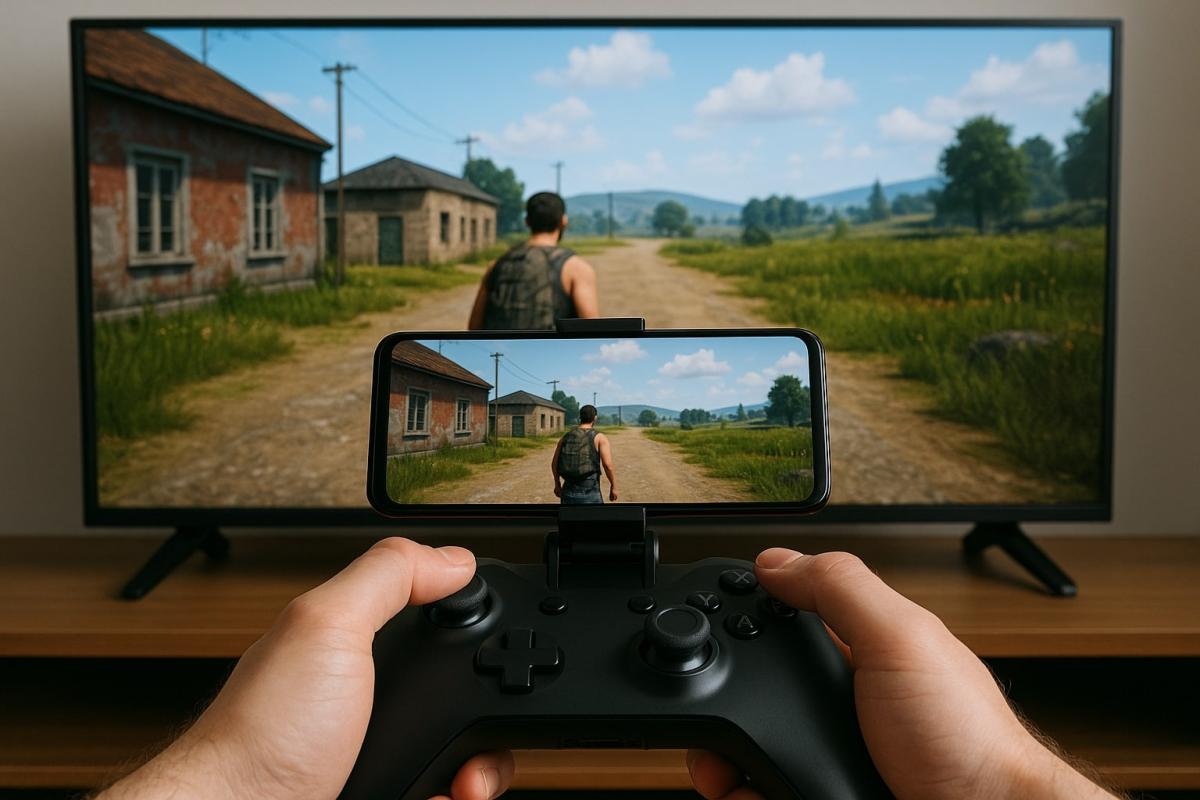
The expansion of the idea that games don't need to be installed or run on one's own device is backed by specific platforms. One of the most well-known is GeForce NOW, allowing players to run their Steam or Epic Games libraries in the cloud. It offers different membership levels that vary in image quality and frame rate.
Another service gaining fast popularity is Boosteroid, which builds on easy access to a vast number of games and aims to minimize latency through an extensive server network. Low latency is one of the key factors for comfortable cloud gaming.
Shadow offers a unique approach by not only providing game streaming but also a full remote Windows PC to users. This allows users to install their games, use modifications, or even run regular applications.
Each of these platforms approaches cloud gaming a bit differently – some expand existing game libraries, while others offer independent services with their environments. For players, this practically means that their choice depends not only on price and game offerings but also on which devices they want to use and the quality of their connection.
Do we still need consoles?
Consoles remain a steadfast part of the gaming ecosystem. They offer exclusive titles, stable performance, and the ability to play without an internet connection. For many players, they represent a certainty – insert a disc or download a game and know it will run with consistent quality.
On the other hand, cloud gaming introduces a completely different logic. It is not tied to a specific device but to an account and a connection. This allows you to play a game at home on the TV, on your laptop while traveling, or perhaps on your mobile in the evening. No hardware upgrades, no waiting for installations, just immediate access.
These two worlds thus complement each other rather than replace each other. Consoles hold a strong position among players who want to maximize graphics or enjoy exclusive content. Cloud gaming, on the other hand, is ideal for those seeking flexibility and convenience. So the answer to whether we still need consoles is: yes, but alongside them, a new alternative is increasingly making its presence known.
Cloud gaming as a supplement, not a replacement
From today's perspective, it is clear that cloud gaming doesn't replace consoles but extends the options for enjoying games. Traditional devices remain the choice for those who want maximum performance and quality assurance, while game streaming opens up convenient access from anywhere without technical barriers.
Both models thus create space for various gaming preferences. And that's the strength of the entire industry – that everyone can choose the way of gaming according to their needs. So maybe it's not the end of consoles, but the beginning of an era where classic gaming and cloud gaming coexist side by side.
What is cache and how to clear it

The concept of cache appears in browsers, phone settings, and when troubleshooting websites, but few know what it exactly means. Cache aims to speed up data loading, but sometimes it can be rather a hindrance. Let's explain what cache memory is, how it works in practice, and when it's sensible to clear it.
digital carbon footprint: how the internet and online services burden the planet

Everyday online activities have a real energy footprint that quickly multiplies in total. In the article, we will look at what digital carbon footprint means, how much energy regular internet use costs, and which activities burden the environment the most. Areas where consumption is growing the fastest and impact is not immediately visible deserve special attention.
Is blue light really a problem? The answer isn't so simple

The topic of blue light has led to many simplifications and unnecessary fears. Blue light exposure before sleep is often discussed, but its impact is not limited to just sleep. Let's put things in context, separate facts from myths, and see when it makes sense to address its effects and when it is more about excessive concern.
Are you chatting with a human or a bot? How to identify AI in chat

Online chats are often handled by artificial intelligence today, and at first glance, the responses appear to be from a real person. This is especially true for customer support, where speed and fluency are key. We'll look at how to identify AI in chat, what signs you can use to distinguish it from a human, and where the line of recognition becomes very thin.
What is ransomware and why does it no longer threaten only large companies?

Ransomware attacks are among the most common cyber threats today and are no longer just a concern for large companies. Just one careless click can cost you access to your data. We'll explain what ransomware is, how it works, and why attackers are increasingly targeting average users and smaller businesses.
How zero trust works: why mere connectivity no longer means safety

Connecting to the internet today is not just a matter of speed but also of trust. Networks handle more and more devices, sensitive data, and services that communicate almost constantly. This is why an approach called zero trust has emerged, where nothing is automatically considered safe. The article explains why this model was created and how it subtly influences everyday internet functioning.