 ▾
▾Chips under the skin and in the head. The future is closer than we think
Brain microchips already allow controlling a computer with mere thoughts. In the article, you will learn how they work, what they have brought to the first users, and what promises scientists and Elon Musk associate with them. Along with hopes, questions about safety, ethics, and where this technology might take us also arise.
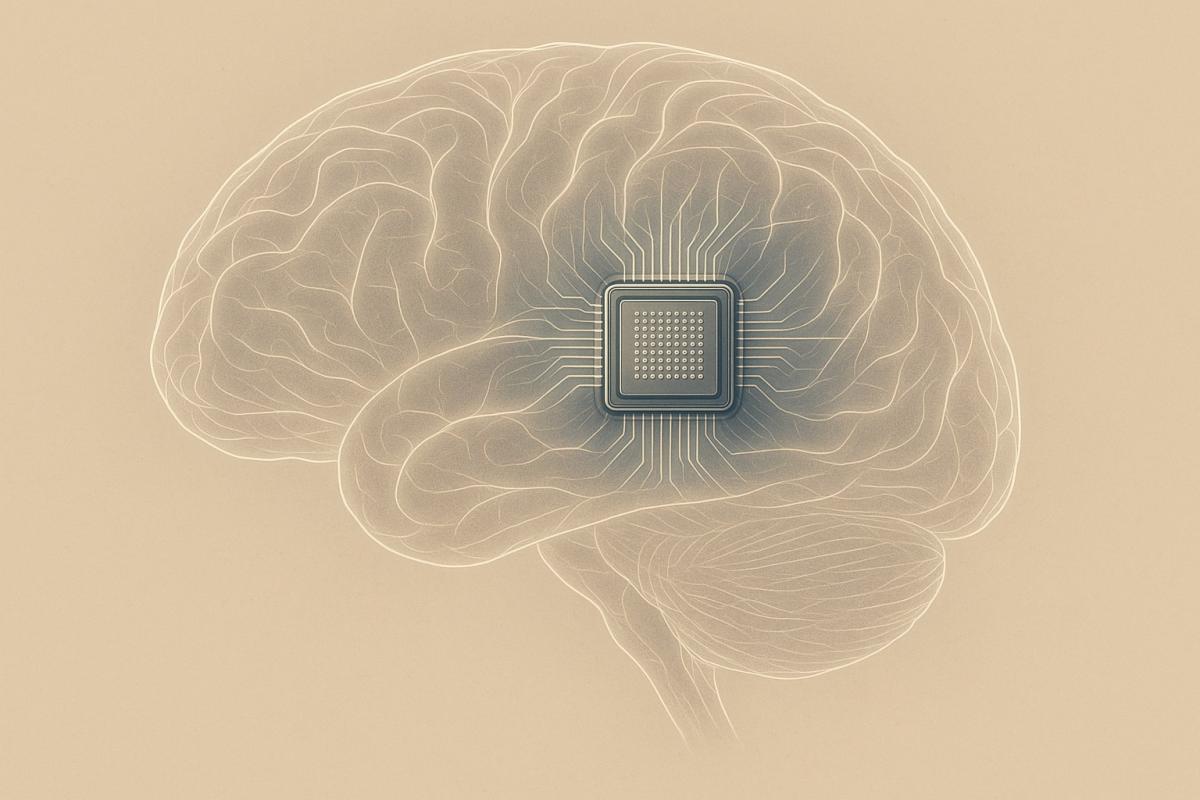
Chips in the head recently sounded like an idea from science fiction novels. Yet, today it's a reality. The first users with brain microchips can control a cursor or play chess with just thoughts. People with paralysis can re-engage in activities previously impossible for them, from surfing the internet to streaming or 3D modeling. The use of chips under the skin is also expanding, enabling people to open doors or pay for purchases without a card or mobile.
The technologies are backed by Neuralink of Elon Musk, as well as other companies competing to advance the connection between humans and computers. While some speak of the chance to restore sight to the blind or allow the paralyzed to walk again, others warn of ethical questions and security risks. Is this the beginning of a new era, or just another technological dead end? In this article, we will look at how microchips work, what they have changed in the lives of the first people, and where they might advance in the coming years.
How does the microchip work?
Brain microchips operate on a seemingly simple but technically complicated principle. Electrodes implanted in the brain capture neural activity in areas associated with movement. When the user imagines moving a finger or hand, a characteristic pattern of electrical signals is formed in the brain. The chip records this pattern, converts it into digital form, and wirelessly sends it to a computer.
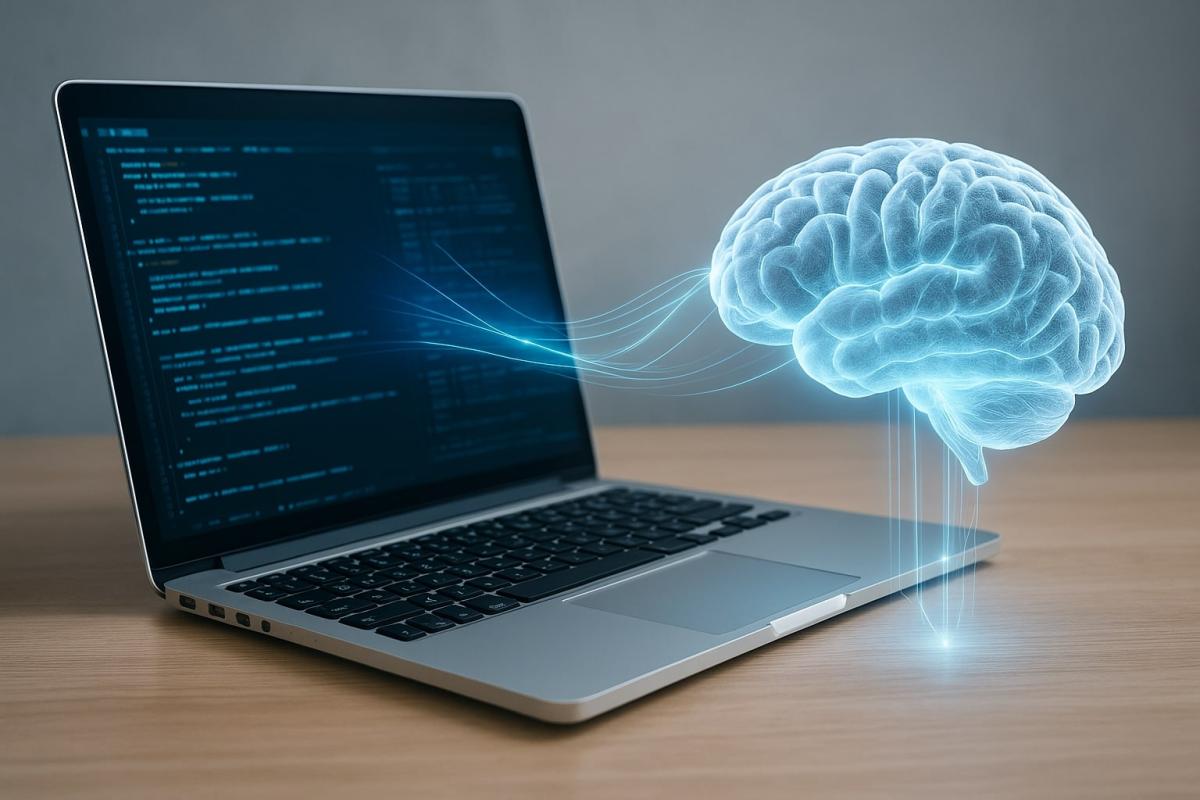
The computer then interprets the signal as if it came from a keyboard or mouse – for example, moving the cursor, typing a letter, or performing a click. Although not yet 100% accurate and requires training, this technology enables people with paralysis to work with a computer using only thoughts.
The device itself consists not only of electrodes, but also a miniature chip, battery, and transmitter. An inseparable part is the software that adapts to individual brain activity patterns and gradually improves control accuracy.
It's important to distinguish these implants from chips under the skin, which function differently. Subcutaneous RFID or NFC chips do not work with brain activity but serve simple tasks like unlocking doors or contactless payments. They are cheaper and commonly available, but incomparable to brain implants.
Life with a microchip: the first patients
The first person with a Neuralink implant was Nolad Arbaugh, who has been a quadriplegic since a diving accident in 2016. Before the procedure, he could control a tablet only with a special mouth stick, which was time-consuming and exhausting. After the chip implant, he could move the cursor on the screen with his mind, play chess, or surf the internet. "I can study again and want to return to school," Arbaugh described his experiences.
However, some complications arose – some of the thin fibers connecting the chip to the brain tissue started detaching. Despite this, Arbaugh continues to use the implant and can control the computer without assistance.
In 2024 and 2025, two more patients known as Alex and Brad joined. Alex, paralyzed from the neck down, returned to work in graphic design and 3D modeling with the implant. Brad, suffering from advanced ALS, gained the ability to communicate even outside the home thanks to the chip.
According to Neuralink, the first three participants use their implants on average more than six hours a day and report significant quality of life improvements. Currently, they are pioneers in an experimental study, but their experiences show how significantly technology can change the daily lives of people with severe mobility limitations.
What do microchips promise for the future?
Neuralink and other research teams see enormous potential in brain implants. In the future, it is anticipated that the technology could restore sight to the blind, help the paralyzed walk again, or control robotic prosthetics. Musk also talks about the possibility of treating mental disorders such as depression, schizophrenia, or autism, and using them for obesity or epilepsy.
The visions also include connecting the human brain with artificial intelligence and transferring thoughts directly between people. Musk imagines that such procedures could be performed in ordinary clinics in the future, with implants being used not only by people with severe disabilities but also by healthy users.
Questions we don't have answers to yet
Even though the first successful implants have shown enormous potential, many uncertainties remain. Science is just beginning, and no one today can say with certainty what the long-term impacts of this technology will be. While patients may gain new movement or communication abilities, doctors also warn that the lifespan of the device and the brain's reaction to foreign materials are great unknowns. Electrodes and thin fibers may degrade or shift over time, potentially leading to repeated interventions and associated risks.
The even more crucial questions concern data protection. The neural signals that the chip captures are extremely sensitive. They can indicate how a person responds, what they intend to do, or how they feel. That's why there is talk about the need for new 'neuro rights' that would protect mental privacy in a similar way to how GDPR protects our digital data today. However, how such protection will look in practice, who may access brain data, and whether it can be kept secure are questions for which we currently have no clear answers.
Psychological impacts also come into play. Some patients describe the implant as part of their identity, almost like a new organ. If they were to lose it, it could significantly affect their self-perception and mental stability. Likewise, it is unclear how our relationship with ourselves will change if part of our abilities is mediated by technology.
Ultimately, there is a broader ethical and societal aspect. While use in people with disabilities evokes support, the question of use in healthy individuals is much more controversial. If only the wealthiest could afford chips, it could lead to a new form of inequality – dividing society into those with access to 'enhanced' capabilities and those left without them. How this will affect societal balance and our understanding of humanity is still an open question.
We're only starting to write the first chapter
When Elon Musk founded Neuralink, he drew unprecedented attention to brain chips. His project became a symbol of bravery and controversy, from the first animal tests to the brain implantation in the first human. However, Musk is not the only significant player in this field. Companies like Synchron, Blackrock Neurotech, and Precision Neuroscience are working on their solutions and often choose a less invasive approach, aiming to be safer and more accessible. Scientific teams around the world are exploring how to improve brain-machine communication, extend implant longevity, and ensure that technology serves people and not the other way around.
The notion that brain chips could become as common as today's smartphones is still distant. Every new step is an experiment rather than a given. Yet, we can already see that a new era is opening where biology and technology intertwine in ways unimaginable just a few years ago.
What we are witnessing now is not complete stories but the first sentences of an introduction. We are only beginning to write the first chapter, and what its content will be, only the future will reveal.
Phone instead of a card or key. What is NFC and how does it work?

Just hold your phone up to a terminal and within moments the payment is made. However, NFC technology is capable of much more. We will explain what NFC is and how it works, what actually happens during NFC mobile payments, what else you can use it for, and how secure it is. We will also show what NFC tags are and how they can simplify some daily tasks.
What would happen if the internet went down for a day?

What if there was a full-day internet outage? An immediate collapse of society wouldn't occur, but daily operations would quickly become complicated because today's world is more dependent on the internet than we often realize. Which services would stop functioning first, and what would happen with payments, transportation, or work?
WPA, WPA2, WPA3: Which Wi-Fi security should you use today?

WPA, WPA2, WPA3, AES or TKIP? Wi-Fi security settings might initially seem unnecessarily complicated. However, when you understand what each abbreviation stands for, it becomes fairly simple. Therefore, we'll explain the differences between them and which is the best choice today. We'll also suggest what settings to choose if you have older devices at home that don't support the latest standard.
Is incognito mode really anonymous? Who still sees what you're doing

Do you think incognito mode hides you from everyone on the internet? In reality, it works a bit differently. We explain what it actually does, when it's sensible to use it, who can still see your activity, and whether history can be traced in incognito mode.
Why Does AI Hallucinate? A Peek Under the Hood of Language Models

AI can answer almost any question in just a few seconds. However, sometimes it confidently states information that is not true. Why does this happen and what are so-called AI hallucinations? In this article, we'll explain how large language models work, why they sometimes create false answers and how developers are gradually trying to mitigate this issue.
What is a CDN and why is internet content copied worldwide

Behind every loaded video, photo, or webpage is a technology called CDN. It is used by streaming services, social networks, and regular websites, yet many people have never heard of it. In this article, we will explain what this abbreviation means, how it works, why internet content is stored in various locations around the world, and why today's internet can hardly do without it.